THE IMPLANT.ORG
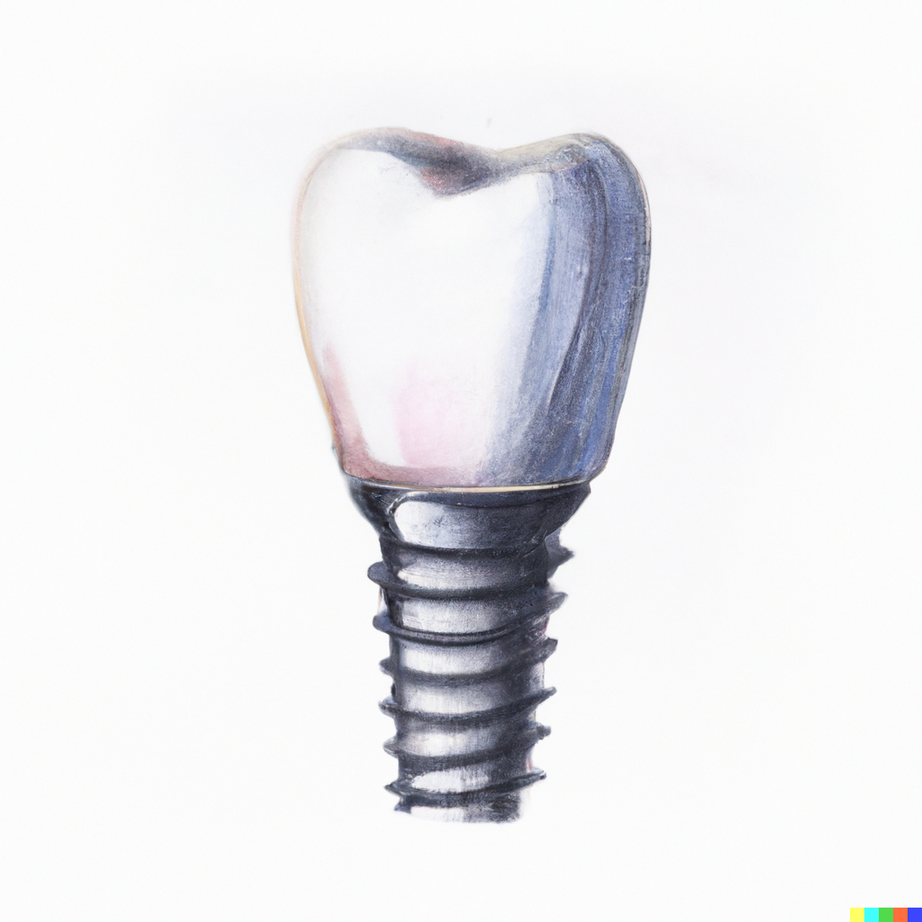
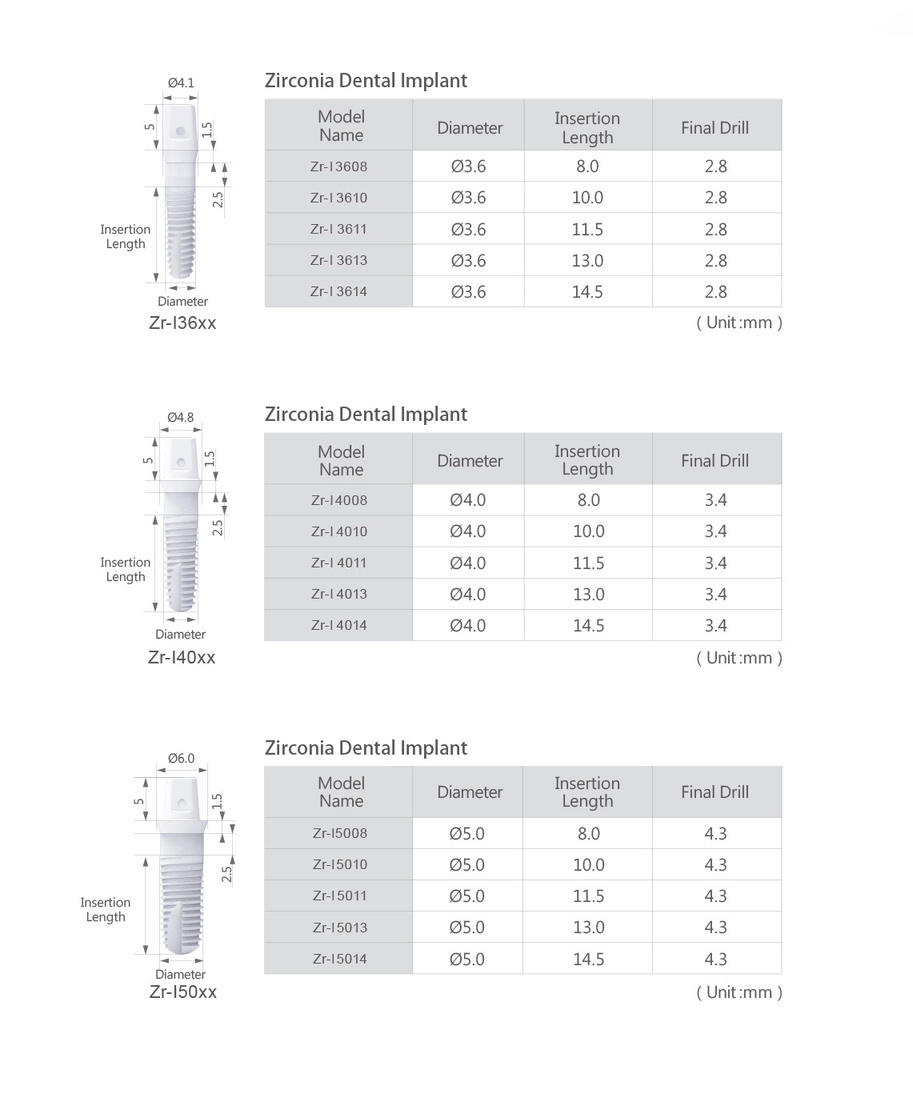
ZIRCONIA the dental implant
BIO-COMPATIBLE
NATURAL
DENTAL IMPLANT
implant planning cloud designer
Reduced Healing Time
Bio-Compatible
Standard Techniques & Toolkits
Zirconia vs Titanium Implant
Zirconia and titanium are two commonly used materials for dental implants, each with its own set of benefits. Here are some of the advantages of zirconia dental implants compared to titanium dental implants:
1. Aesthetics: Zirconia dental implants have a white color that closely resembles natural teeth, making them more aesthetically pleasing, especially for patients with thin or receding gums. Titanium implants, on the other hand, have a metallic color, which may be more visible in the case of gum recession.
2. Biocompatibility: Zirconia is a ceramic material that is highly biocompatible, meaning it has a low potential for triggering allergic reactions or adverse tissue responses. Titanium is also considered biocompatible, but in rare cases, some individuals may develop allergies or sensitivities to titanium.
3. Corrosion resistance: Zirconia implants are resistant to corrosion, which is particularly beneficial for patients who have acidic saliva or suffer from certain medical conditions that can cause increased acidity in the oral environment. Titanium implants, although highly corrosion resistant, can undergo a process called galvanic corrosion when placed in contact with other metals in the mouth.
4. Soft tissue response: Zirconia implants have been reported to exhibit favorable soft tissue responses, with studies suggesting reduced inflammation and better gum adherence compared to titanium implants. This can contribute to improved gum health and aesthetics around the implant site.
5. Thermal conductivity: Zirconia has a lower thermal conductivity compared to titanium, meaning it is less likely to transmit temperature changes from hot or cold foods to the surrounding gum tissue. This can enhance patient comfort, particularly for individuals with sensitive gums.
6. Radiolucency: Zirconia implants are radiolucent, which means they do not interfere with X-ray imaging and allow for clear visualization of underlying bone structures. Titanium implants, being radiopaque, can obstruct X-rays and make it more challenging to assess the bone density and surrounding tissues accurately.
It's important to note that both zirconia and titanium dental implants have proven to be successful options for tooth replacement. The choice between them depends on various factors, including the patient's specific needs, oral health condition, and the dentist's recommendation based on their expertise and assessment. Consulting with a dental professional can help determine the most suitable implant material for an individual's unique circumstances.
Moving along with the high speed advancement in the Restorative Dentistry, our dedication in the development of the technology of ceramic implant began in 2014.
The Implant has extensive experience in manufacturing biotech machinery and products. Having the foundation and studied intensively with precision on the exact delicate detail of Ceramic Injection Molding and Powder Injection Molding, we hold several patents for Zirconia dental implants.
The success in every product produced by The Implant arise from our genuine dedication in oral care. Innovative technology and full technical support is the main reason for The Implant's extraordinary ceramic implant solution.
contact us
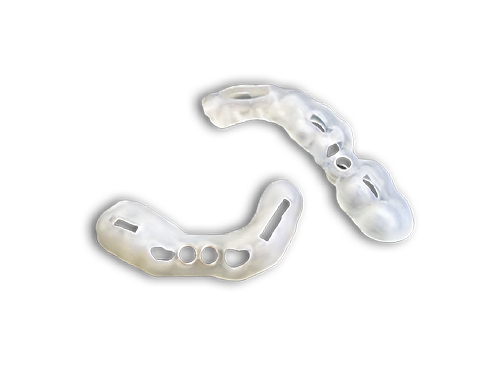
ImplantPlanning software is specially developed to enable the dentists to conduct pre-operative evaluation and planning of implant placement in the virtual environment. When it is used with dental CAD software, surgical guides can be produced. In addition, CT viewing function is provided to export skull file for 3D printing simulation.
Supporting the majority of implant brand, including our implant.
Providing automatic implant placement. Able to complete the implant planning in 5 minutes.
Prothesis-driven implant planning and more precise in placing implants.
Exporting STL data for 3D surgical guide printing.

THE IMPLANT.ORG
Our Offices
London
Los Angeles

The Implant is a distributor of Zirconia implants and cloud-based implant planning solutions.
The Implant is FDA approved & certified as a medical device in the European Union under the Medical Device Directive 93/42/EEC by SGS CE1639 exclusively for the intended use of support prosthetic devices. Other non-medical uses ascribed to this device are not within the scope of CE certification, and users should be aware product performance and/or safety has not been evaluated by SGS for those purposes.
THE IMPLANT.ORG
Patient Information
Dental implants are typically performed by dental professionals specializing in implantology or oral surgery. The place for dental implant procedures is usually a dental clinic or a dental implant center. These facilities are equipped with the necessary tools and equipment to carry out the implantation process.
When considering a dental implant, it's important to choose a reputable and experienced dental professional or clinic. Here are a few factors to consider when selecting a place for dental implant treatment:
1. Dentist's expertise: Look for a dentist who has specialized training and experience in dental implant procedures. They should be knowledgeable about the latest techniques and advancements in implantology.
2. Clinic reputation: Research the reputation of the dental clinic or implant center. Read patient reviews and testimonials to gauge the quality of care provided and the overall patient satisfaction.
3. Technology and facilities: Ensure that the dental facility is equipped with modern technology and facilities necessary for dental implant procedures. Advanced imaging techniques, such as cone-beam computed tomography (CBCT), can aid in accurate planning and placement of the implants.
4. Credentials and certifications: Check the dentist's credentials and certifications. Look for memberships in professional organizations like the American Academy of Implant Dentistry (AAID) or the International Congress of Oral Implantologists (ICOI), which indicate their commitment to staying updated in the field.
5. Cost considerations: Dental implant costs can vary depending on various factors, including the location and the expertise of the dental professional. Consider the cost of the procedure and any associated expenses, such as consultations, imaging, and post-operative care.
6. Recommendations and referrals: Seek recommendations from your primary dentist, friends, or family members who have undergone successful dental implant treatment. Personal referrals can provide valuable insights and help you make an informed decision.
Remember to schedule a consultation with the chosen dental professional to discuss your specific case, evaluate your eligibility for dental implants, and address any concerns or questions you may have.